


A Step-by-Step Guide to Managing Rental Properties
 As you get started with your first rental property, you’ll discover that several areas need your consistent attention. Keeping track of every facet of property management can feel overwhelming if you don’t take the time to prepare. Use this guide to develop a plan you can follow consistently.
Market Your Vacancies
A vacant rental property will increase your losses on a daily basis. To avoid this situation, create evergreen marketing materials that you can promptly publish each time a tenant vacates your property. (more…)
 As a first-time renter, there are a few things you need to know before you sign that first lease. Taking the time to learn about your role as a renter can help you establish yourself as a good tenant, and you’ll protect your rights. On that note, the following guide will give you a good head start toward renting your first apartment.
 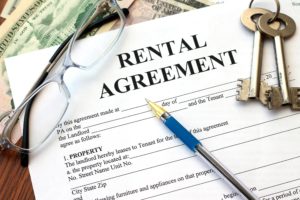 The security deposit you charge new renters can be useful in many ways. If a tenant damages the property or skips out before the lease has expired, the security deposit can offset your losses. But what happens if a tenant can’t pay a month’s rent? You may wonder whether you can — and should — use the deposit to cover a month’s rent.
 As a property owner, you may need to raise the rent on your investment properties from time to time. Increasing the rental rates for your properties can ensure you stay competitive and keep your properties profitable. But it’s not always easy to know exactly how to go about raising rent.
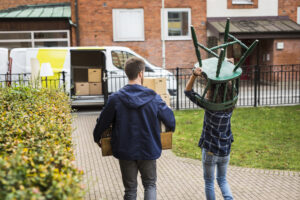 Once you have successfully evicted a former tenant, the next challenge involves removing their property. Unfortunately, Maryland law does not permit you to simply put their belongings out on the curb. Doing so can give the tenant the right to sue you if their property is stolen or damaged.
 Landlords and private homeowners are both property owners who have similar investment and legal obligations. The key difference, of course, is that landlords rent out their properties to others while homeowners generally reside on the properties they own.
 The opportunity for profit is one of the primary reasons why
  As a property owner and landlord, you are responsible for making sure that any necessary repairs on your
  An issue you will face as a property owner is whether you will allow pets on the property. Even if you’re an animal lover, you might find that creating a pet-friendly atmosphere is more challenging than you realize. Before you decide whether allowing tenants with pets is right for your property, consider the pros and cons of this option.
  The internet makes many things easier, but using it to manage your life carries some safety and financial concerns. When you are looking for a new apartment to rent, an important safety rule for your online activity is to question everything. In particular, look out for common rental scams that target Maryland residents.